How War Is Moving the Economy, Stocks and Crypto Right Now
Oil, shipping, inflation and investor fear are now the main market channels. Here is what investors should watch over the next few weeks.
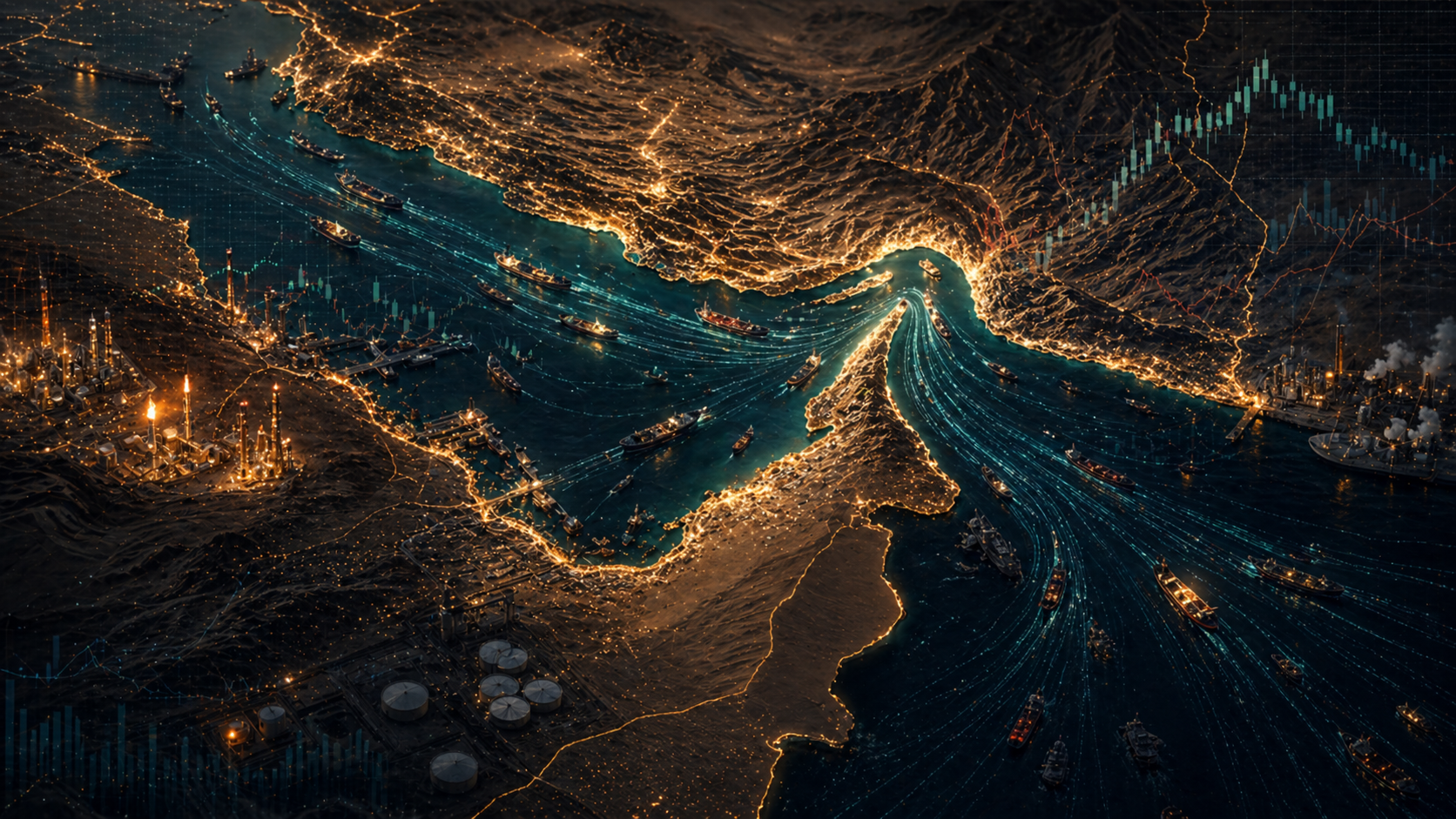
War does not move markets only because of dramatic headlines.
Most of the time, the real damage happens through boring but powerful channels: oil, gas, shipping, inflation, interest rates, government spending and investor confidence.
That is what makes the current situation dangerous for markets.
The war itself is already serious. But for investors, the bigger question is not only what happens on the battlefield. The bigger question is what happens to energy prices, global trade routes, inflation, central banks and liquidity.
Right now, markets seem to be making one clear bet:
The shock will stay contained.
Stocks have not collapsed. Crypto has not disappeared. Investors are still buying risk in some areas. But underneath the surface, oil, shipping, gold, bonds and the dollar are telling a more cautious story.
This is not a clean panic. It is a market trying to decide whether this is a temporary shock or the start of something bigger.
The main market risk is energy
The fastest way this war can hit the global economy is through energy.
Oil is not just another commodity. It touches almost everything.
If oil rises, airlines pay more for fuel. Shipping gets more expensive. Food transport costs more. Consumers spend more at the petrol station. Businesses face higher input costs. Inflation becomes harder to control.
Then central banks have a problem.
They may want to cut interest rates to support growth. But if energy prices push inflation higher again, they have less room to do it. That matters because stock markets and crypto both depend heavily on liquidity and interest-rate expectations.
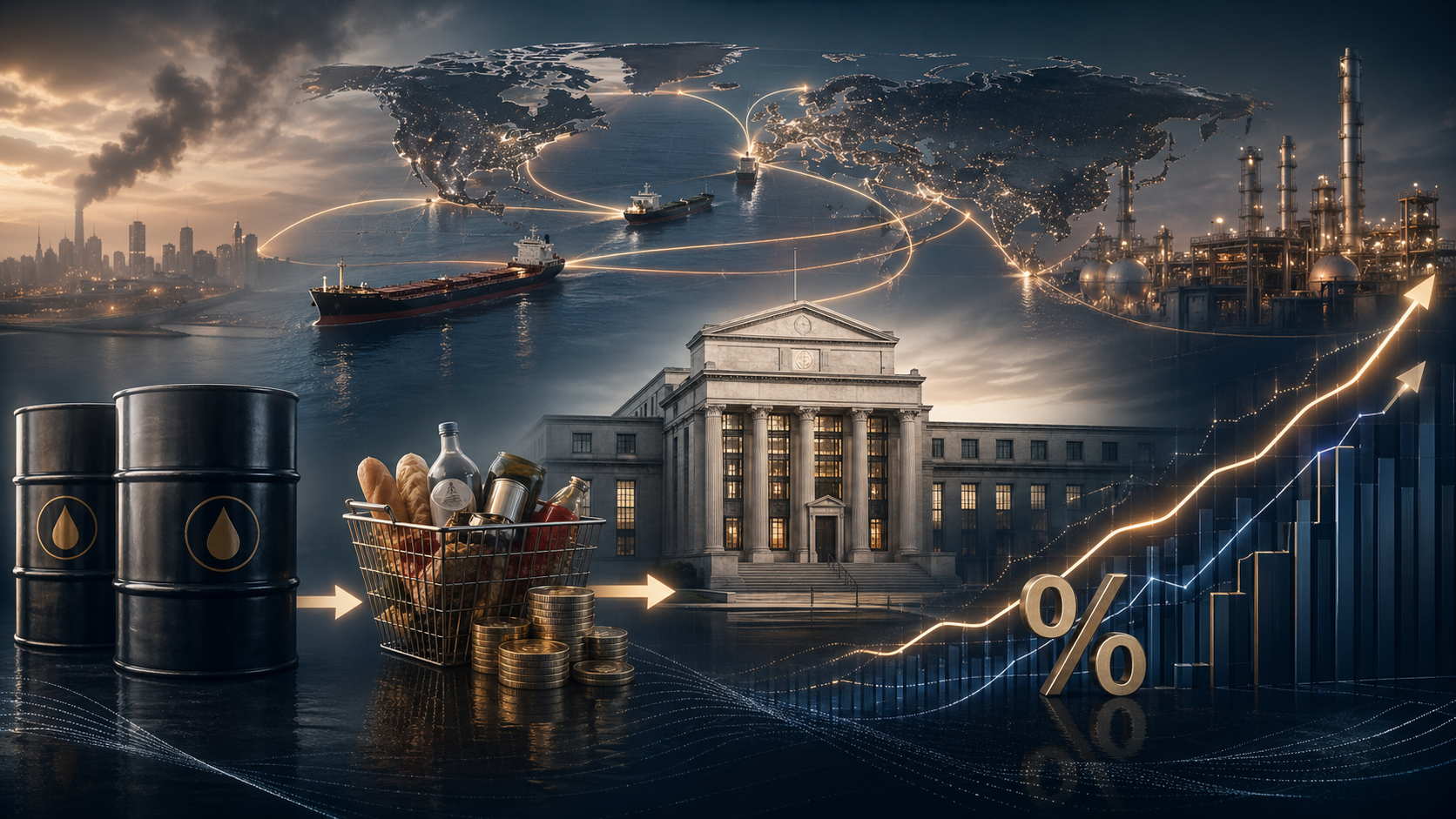
This is the chain investors need to understand:
War raises energy risk.
Energy risk raises inflation pressure.
Inflation pressure delays rate cuts.
Delayed rate cuts hurt risk assets.
That is why the Middle East matters so much to global markets. It is not only about the political story. It is about oil, gas, shipping routes and inflation expectations.
If energy prices stay high for a few days, markets can handle it. If they stay high for weeks or months, the story changes.
Shipping is the second pressure point
The second major problem is shipping.
Modern markets are built on smooth global logistics. Companies expect goods to move cheaply, quickly and predictably. War makes that harder.
When shipping routes become risky, companies may need to use longer routes. Insurance costs can rise. Freight costs can increase. Delivery times become less reliable. Some goods become more expensive even if demand has not changed.
That does not always show up immediately in broad shipping indexes. Some routes can still look normal while specific lanes become more expensive or more fragile.
This is why investors should not only watch stock prices. They should also watch physical market signals: tanker traffic, freight surcharges, shipping insurance and route diversions.
Political statements can be vague. Shipping data is harder to fake.
Stocks look strong, but the strength is uneven
The stock market is not acting like the world is ending.
That matters.
Large U.S. stocks have stayed resilient because war is not the only thing moving markets. Earnings still matter. AI spending still matters. Liquidity still matters. Interest-rate expectations still matter.
But this does not mean the market is safe.
It means investors currently believe the war will remain manageable.
That is a very different thing.
If the conflict stays contained, markets can keep looking through it. But if oil rises further, shipping stress gets worse, or inflation expectations move higher, investors may need to reprice risk quickly.
The winners and losers are also not equal.
Energy companies can benefit from higher oil and gas prices. Some shipping and logistics companies can benefit from route disruption and higher pricing power. Defence companies can benefit from higher government spending. Cybersecurity and infrastructure companies may also get more attention as geopolitical risks rise.
But other sectors are more exposed.
Airlines suffer when fuel prices rise. Consumer companies suffer when households have less money left after paying for fuel, food and utilities. Energy-intensive manufacturers get squeezed when power and transport costs rise. Emerging-market oil importers can get hit through weaker currencies, higher inflation and larger trade deficits.
Tech is more complicated.
Most tech companies are not directly hurt by war. But expensive growth stocks are sensitive to interest rates. If oil keeps inflation sticky and bond yields stay high, tech valuations can come under pressure.
So the stock-market question is not simply:
“Which companies benefit from war?”
The better question is:
“Which companies benefit from this exact transmission channel, and is the market already pricing that in?”
That distinction matters. A good theme can still become a bad trade if everyone is already crowded into it.
Crypto is not behaving like a perfect safe haven
Crypto has a strong long-term story, especially Bitcoin.
Some investors see Bitcoin as digital gold. Others see it as a hedge against currency debasement, capital controls and central-bank mistakes.
That argument may still matter over the long term.
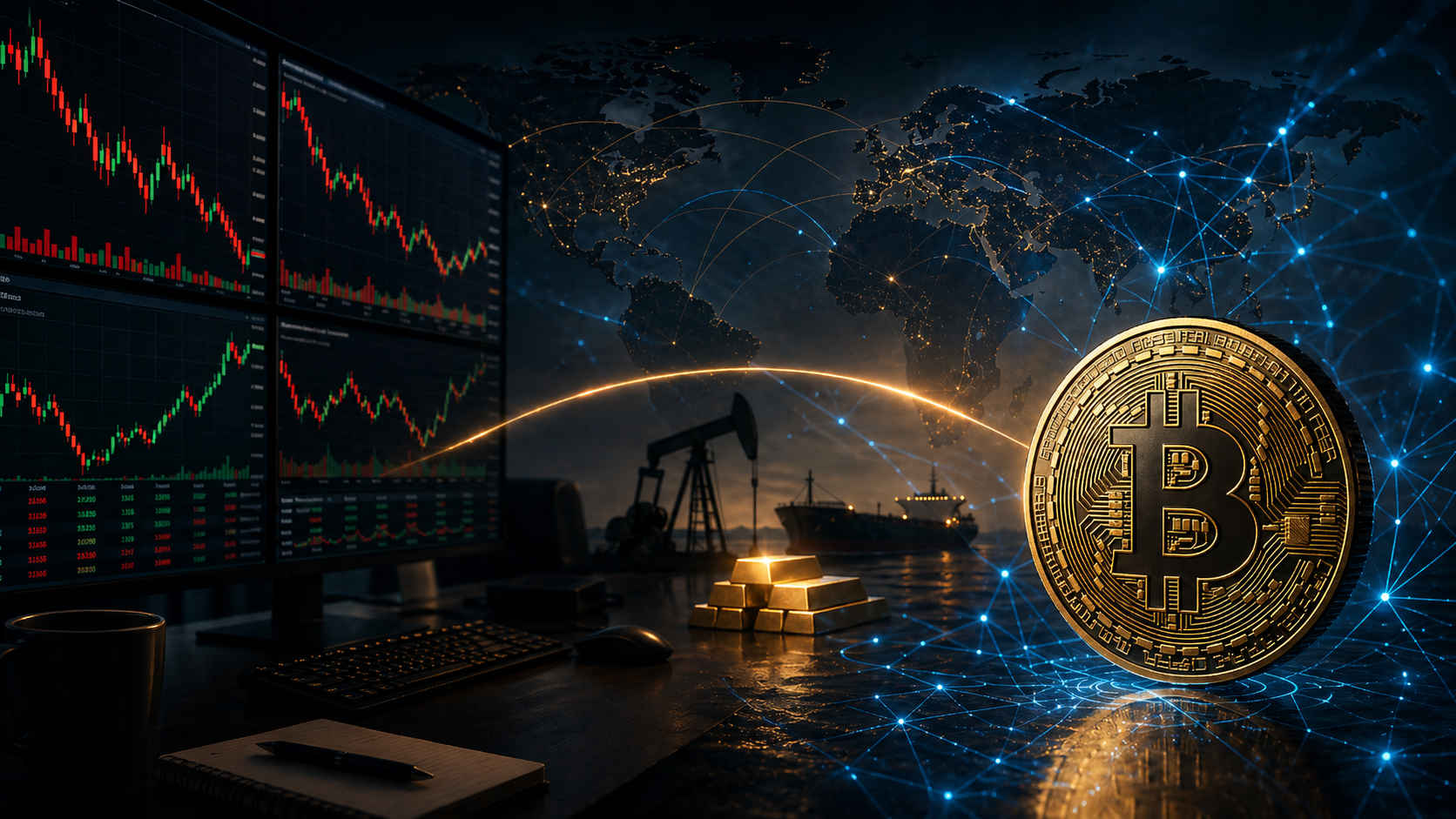
But in short-term geopolitical shocks, crypto usually behaves less like gold and more like a high-risk liquidity asset.
When fear rises quickly, investors often sell what they can sell. Bitcoin and Ethereum are liquid, global and easy to trade. That means they can fall during the first phase of a shock, even if the longer-term narrative stays intact.
This is the part many crypto investors get wrong.
A long-term hedge can still drop in a short-term liquidity squeeze.
Bitcoin may hold up better than most altcoins. Ethereum may still attract institutional interest. But broad altcoins usually need risk appetite, cheap money and confidence. They are not usually the first place investors hide when geopolitical stress rises.
Stablecoins are different.
They are not really a “war hedge” in the normal investment sense. They are more like digital dollar liquidity. In periods of stress, stablecoins can become important because people want dollar exposure, faster settlement or easier movement of capital.
But that also brings risk. If stablecoin demand grows too quickly during stress, regulators and central banks will pay attention.
The simple point is this:
Crypto is part of the global liquidity system now. But that does not mean it is immune to global fear.
Gold and the dollar still matter
In a geopolitical shock, investors usually look for safety.
That often means gold, the U.S. dollar, the Swiss franc and sometimes U.S. Treasuries.
Gold is still the cleanest traditional war-risk asset. It has history, liquidity and a simple story. When investors lose trust in politics, currencies or stability, gold usually gets attention.
But gold is not magic.
If bond yields rise because markets fear inflation, gold can become volatile. If investors need cash quickly, even gold can sell off in the short term.
The U.S. dollar is also important. In periods of global stress, investors often want dollars because the dollar is still the main global funding currency. A stronger dollar can then create pressure for emerging markets, especially countries that import energy or borrow in dollars.
Treasuries are more complicated.
In a normal recession scare, investors often buy Treasuries and yields fall. But in an energy-driven inflation shock, yields may stay high because investors worry central banks cannot cut rates.
That is why this is not a simple “war means buy safe havens” environment.
It is a mix of fear, inflation risk and liquidity stress.
The next few weeks: what could happen
The next few weeks are difficult to predict. The honest approach is not to pretend there is one clear outcome.
The better approach is to think in scenarios.
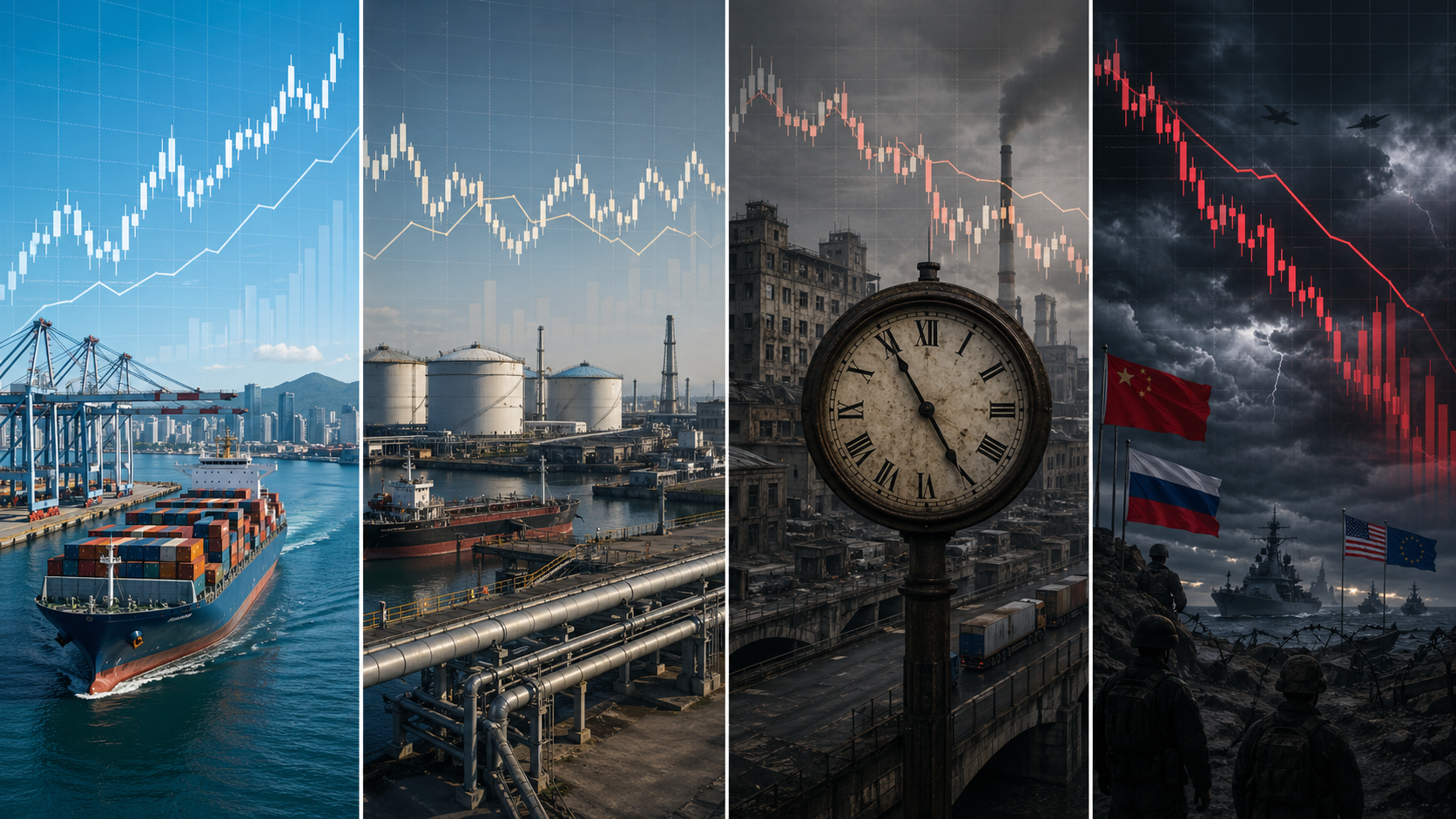
Scenario 1: De-escalation
This is the bullish case.
If there is real diplomatic progress, lower energy risk or better shipping conditions, markets could quickly price relief.
Oil would likely fall. Airlines, travel stocks, consumer stocks and European equities could benefit. Crypto could rally if risk appetite improves. Gold could cool off in the short term. Rate-cut hopes could come back.
This scenario would not solve every global problem. But markets do not need perfection to rally. They only need the risk premium to fall.
Scenario 2: Contained but messy
This is probably what markets are pricing now.
The war continues. Shipping remains disrupted. Oil stays sensitive to headlines. But there is no major new escalation and no long-lasting closure of critical energy routes.
In this case, stocks can probably hold up. Not everything will rise, but the market can keep rotating between winners and losers.
Bitcoin and Ethereum can remain supported, especially if institutional flows continue. Altcoins would likely stay more fragile. Gold would remain bid, but not necessarily explode higher. The dollar would probably stay firm.
This is the “markets can live with it” scenario.
It is not peaceful. It is just manageable.
Scenario 3: Long disruption without full escalation
This is the scenario that looks less dramatic but can still do real damage.
There is no major new war expansion. But oil, LNG and shipping costs stay elevated longer than expected.
That would keep inflation pressure alive. It would make central banks more cautious. It would hurt consumers slowly. It would pressure companies with weak margins.
Stocks may not crash in this scenario, but they could grind lower. Crypto could struggle because liquidity expectations would worsen. Gold could move higher over time, even if it remains volatile.
This is the slow-pressure scenario.
No single headline breaks the market. The pressure builds through costs, rates and confidence.
Scenario 4: Major escalation
This is the market shock scenario.
If critical oil or gas infrastructure is damaged, or if a key shipping route is seriously restricted for longer, markets would likely reprice quickly.
Oil could spike. Stocks could sell off. Airlines, transport, consumer stocks and expensive tech would likely be hit first. Gold and the dollar would probably strengthen. Crypto would likely sell first with risk assets, then possibly stabilize later if liquidity returns.
This is the scenario markets do not seem fully priced for.
The reason is simple: investors usually do not pay full price for tail risk until the tail risk becomes real.
What investors should watch
The worst thing investors can do is react to every headline.
Most headlines are noise. Some are important. The problem is knowing which is which.
A better approach is to watch the indicators that show whether the shock is spreading.
The most important one is oil. If Brent crude keeps rising, inflation risk rises with it.
The second is shipping. If tanker traffic, war-risk insurance or freight costs worsen, the economic damage becomes more real.
Gold and the dollar are also important. If both strengthen at the same time, it can mean investors are becoming more defensive.
Bond yields matter because they show whether markets are more worried about growth or inflation.
The VIX matters because it shows whether equity investors are starting to price wider stress.
For crypto, Bitcoin dominance and stablecoin supply are useful signals. If Bitcoin dominance rises while altcoins weaken, crypto investors are becoming defensive. If stablecoin demand rises, it can show demand for digital dollar liquidity.
The key is to watch the transmission channels, not only the war headlines.
Oil.
Shipping.
Inflation.
Rates.
Dollar.
Gold.
Volatility.
Liquidity.
That is where the real market story will show up first.
Final view
Markets are not ignoring the Iran war.
They are assuming it stays contained.
That assumption is the centre of the whole story.
If the conflict stays contained, risk assets can keep functioning. Stocks can stay supported by earnings and liquidity. Crypto can still attract institutional money. Energy and defence names can remain strong.
But if the war starts pushing oil, shipping, inflation and interest-rate expectations harder, markets may need to adjust quickly.
The important point is not to panic.
The important point is to understand what actually moves markets.
War headlines matter. But they matter most when they change prices, inflation, interest rates, liquidity and investor behaviour.
Right now, the market is still betting on control.
The next few weeks will show whether that bet is right.
0 Comments
No comments yet. Be the first to share your thoughts.